







Small Loft Storage Ideas: 15 Clever Ways to Maximise Your Space
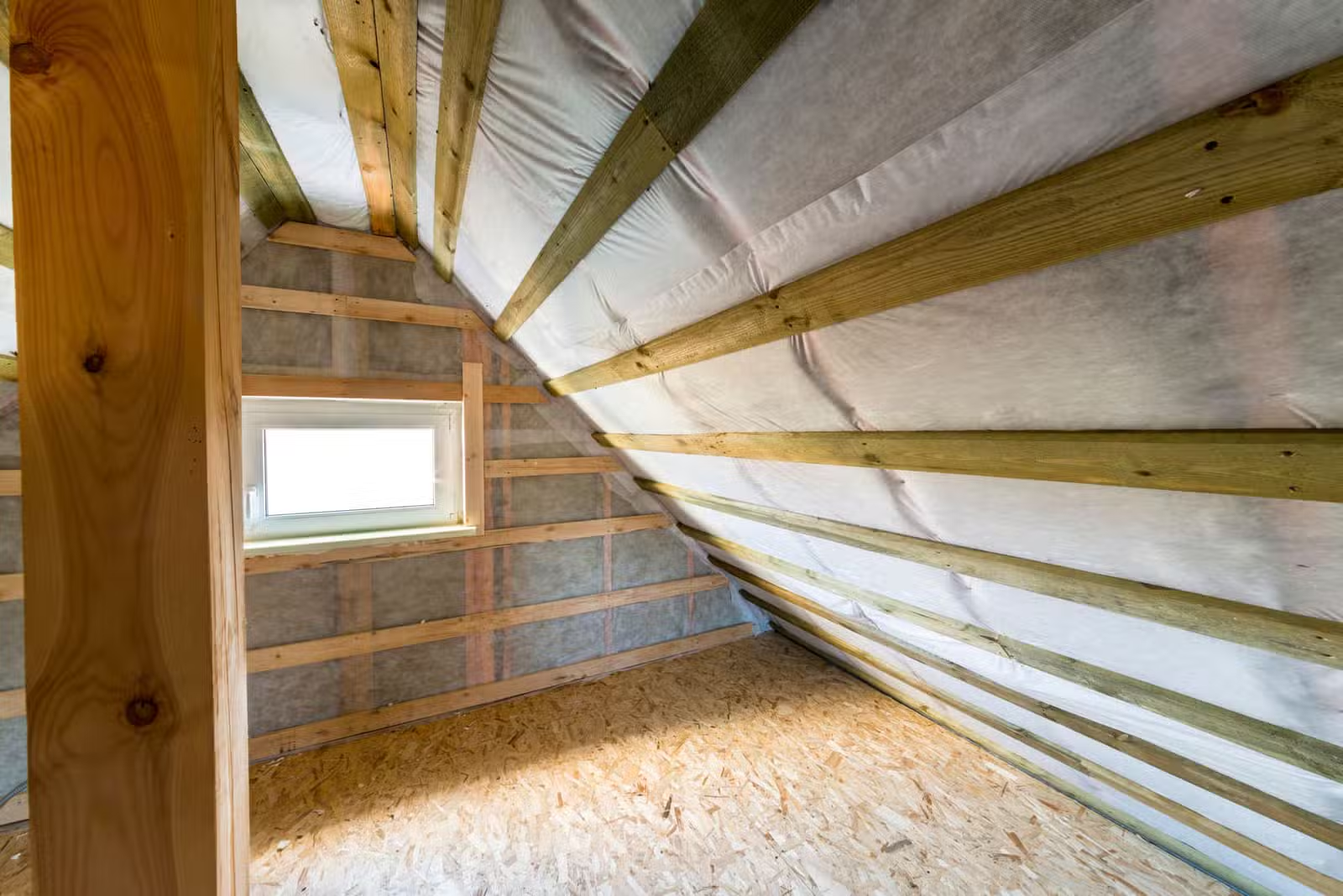
Quick Summary: If your loft is small, low, or awkwardly shaped, the right combination of boarding, eaves storage, slimline shelving, and smart organisation can still turn it into genuinely useful space – this guide walks through 15 practical, safe ways to make every metre count, drawing on InstaLoft’s experience from over 71,000 loft boarding installations across the UK.
At a Glance: Small Loft Storage Options
| Storage Idea | Why It Helps in a Small Loft |
| Board before you store | Creates a practical, accessible storage surface and makes better use of the available floor area. |
| Divide Your Loft Into Storage Zones | Keeps different types of belongings organised and prevents the limited space from becoming cluttered. |
| Make the most of the eaves | Turns low-height areas that are difficult to use into practical storage for suitable items. |
| Slimline roofline shelving | Uses otherwise wasted vertical space without taking up much of the floor area. |
| Stackable, modular boxes | Makes it easier to use vertical space and fit storage around the shape of the roof. |
| Go vertical near the ridge | Takes advantage of the loft’s highest point for taller storage where headroom allows. |
| Store smart around the hatch | Keeps the main access area clear while ensuring frequently needed items remain easy to reach. |
| Fold-down or space-saving ladder | Provides convenient loft access while minimising the amount of space occupied around the hatch. |
| Clear boxes for at-a-glance contents | Makes it easier to identify belongings without opening or moving multiple boxes. |
| Label everything | Helps you find specific items quickly, particularly when boxes are stacked or stored in tight spaces. |
| Rotate seasonal items | Keeps frequently needed belongings accessible while moving less-used items into harder-to-reach areas. |
| Hang items from rafters (where safe) | Can free up valuable floor space for suitable lightweight items when the structure and fixings allow it. |
| Small loft desk or shelf unit | Gives a compact loft an additional practical use where sufficient headroom and space are available. |
| Keep a clear walkway | Maintains safe, practical access through the loft and prevents stored items from blocking the route. |
| Add loft lighting | Makes it easier to find, organise and safely access belongings in a compact storage space. |
Small lofts are often dismissed as useless, but even the tightest roof space can become practical, accessible storage. Turning a frustrating loft into an organised one comes down to a few deliberate choices: how you board the floor, utilise the eaves, install shelving, and arrange your items.
Having completed more than 71,000 loft boarding installations, our teams see the same small-loft challenges again and again – restricted headroom, awkward roof angles, hatches in the wrong place, and insulation that’s been squashed flat by decades of stored boxes. This guide draws on InstaLoft’s first-hand experience to share 15 practical ways to maximise storage space in smaller properties.
Table of Contents
- Why Do Small Lofts Need a Different Storage Approach?
- Is Your Small Loft Suitable for Storage?
- Small Loft Storage Ideas to Make Every Metre Count
- When Should You Get Professional Advice for a Small Loft?
- Conclusion
- FAQs
Why Do Small Lofts Need a Different Storage Approach?
A small loft rewards planning far more than a large one, because every wasted centimetre is felt immediately.
Small lofts need more careful planning because every centimetre of space matters. Low headroom, sloping roofs, tight eaves and limited floor space can make standard storage solutions impractical.
The best approach is to work with the loft’s layout rather than trying to fill every available space. This means considering where you can stand and move, how the hatch is accessed, and which areas can be used for storage.
In a small loft, well-planned storage can create more usable space without making the area difficult to access or move around.
Is Your Small Loft Suitable for Storage?
Before storage can happen, it’s worth confirming your small loft has enough usable space, headroom and structural capacity for the storage you’re planning.
In a small property, the loft can be one of the few places available for storing bulky or infrequently used belongings. But limited floor space, low ceilings and awkward roof shapes can make the difference between a loft that feels genuinely useful and one that is difficult to access. Before planning your storage, it helps to assess the specific characteristics of your loft and work out what can realistically be used.
What should you check before using a small loft for storage?
| Consider | Why it matters |
| Headroom | Determines where you can stand, move around and place taller storage |
| Floor area | Shows how much usable storage space is actually available once low and inaccessible areas are excluded |
| Joist layout | Important when planning a boarding system and considering how loads will be distributed |
| Insulation depth | Affects the height available above the existing joists and the type of raised boarding system that may be suitable |
| Roof shape | Determines how much practical space is available beneath sloping ceilings and around the eaves |
| Hatch position | Influences how easily the loft can be accessed and where storage can be positioned |
| Intended load | Helps determine whether the planned storage is appropriate for the loft and its flooring system |
| Access route | Affects whether boxes, furniture and other stored items can actually be moved into and around the loft |
| Lighting | Makes it easier to locate belongings and move safely around a small, restricted space |
| Ventilation | Helps maintain appropriate conditions within the loft and reduce the risk of moisture-related problems. |
Make Every Metre Count With These Small Loft Storage Ideas
The 15 ideas below move from foundational changes – boarding and structure – through to the small organisational habits that keep a compact loft usable long after installation day.
Some of these small loft storage ideas require a professional install, and some are simple weekend jobs. Together, they represent the layered approach InstaLoft uses when advising customers on compact loft storage: get the base right first, then build height, zoning, and organisation on top of it.
- Board Before You Store
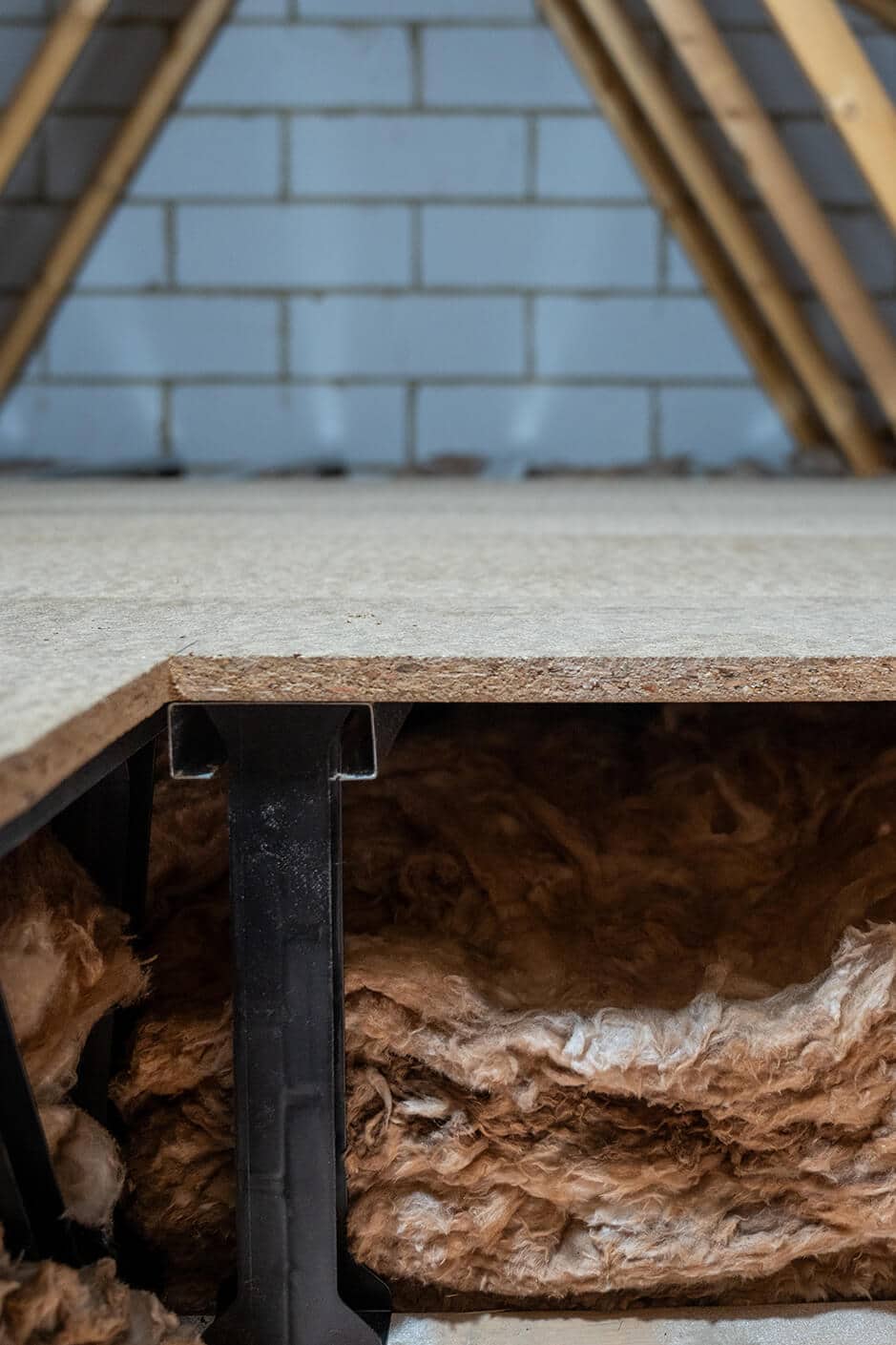
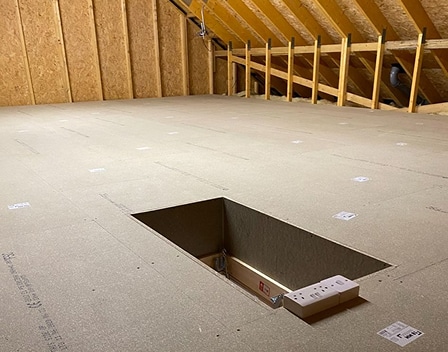
Loose boxes balanced on exposed joists can create avoidable safety risks and contribute to damage in lofts that aren’t designed for regular storage. Before anything else goes into a small loft, the floor itself needs sorting. A professionally installed loft boarding system creates a continuous storage surface designed to distribute storage loads across the supporting structure, rather than leaving belongings resting directly on individual joists. This is especially important in a compact loft where every board is doing more work per square metre. This is the foundation for every other idea on this list – clever storage ideas for small spaces only hold up if the surface underneath them is solid, level, and rated for the load.
- Divide Your Loft Into Storage Zones
In a small loft, dividing the available space into clear storage zones can make it feel far more organised without requiring additional floor space. Keep frequently used belongings close to the hatch, place seasonal items further into the loft, and use suitable areas beneath the sloping roof for less frequently accessed possessions.
This approach also makes it easier to find things without moving several boxes every time you need something. In a compact loft, good zoning can be just as important as the amount of storage you have because it prevents usable space from becoming blocked or difficult to reach.
- Make the Most of the Eaves
The eaves – the low, sloped sections at the edge of a loft where the roof meets the wall – are frequently the most wasted part of a small loft. Because standing height is limited here, people tend to leave this space empty. In practice, it’s ideal for low, flat items: suitcases, seasonal bedding, flat-pack storage boxes, and long, awkward items like curtain poles or Christmas trees. Purpose-built eaves storage units with hinged or sliding fronts keep this area tidy and dust-free, turning what would otherwise be dead space into some of the most valuable storage ideas for small lofts available.
- Fit Slimline Shelving Along the Roofline
Once the eaves are handled, the sloped roofline above head height is the next underused zone. Slimline shelving fitted along the rafters – shallow enough not to intrude into the walking area – makes use of vertical space that would otherwise sit empty. This works particularly well in tiny house loft storage setups, where every wall surface has to earn its place. InstaLoft’s own loft shelving solutions are designed specifically for this kind of narrow, angled fitting, giving a stable shelf without reducing the usable floor area below.
- Choose Stackable, Modular Storage Boxes
Uniform, stackable boxes make far better use of vertical space than a mismatched collection of old cardboard boxes and carrier bags. Because they stack cleanly, they also make it much easier to judge how much space remains at a glance – a small but genuinely useful upgrade in a loft where every gap counts. Modular systems that share the same footprint but come in a few different heights allow you to tailor storage to the sloped ceiling, using taller boxes near the ridge and shorter ones under the eaves.
- Go Vertical Near the Ridge
The tallest point of most loft spaces – directly under the ridge – is often the only place in a small loft with genuine standing headroom. This makes it the natural spot for taller storage: a slim set of drawers, a tall stackable unit, or even a small hanging rail for out-of-season clothing. Positioning taller storage here, rather than under the sloped sides, keeps the layout balanced and avoids the common mistake of cramming tall items where they don’t fit and end up leaning precariously against a sloped roof timber.
- Store Smart Around the Loft Hatch
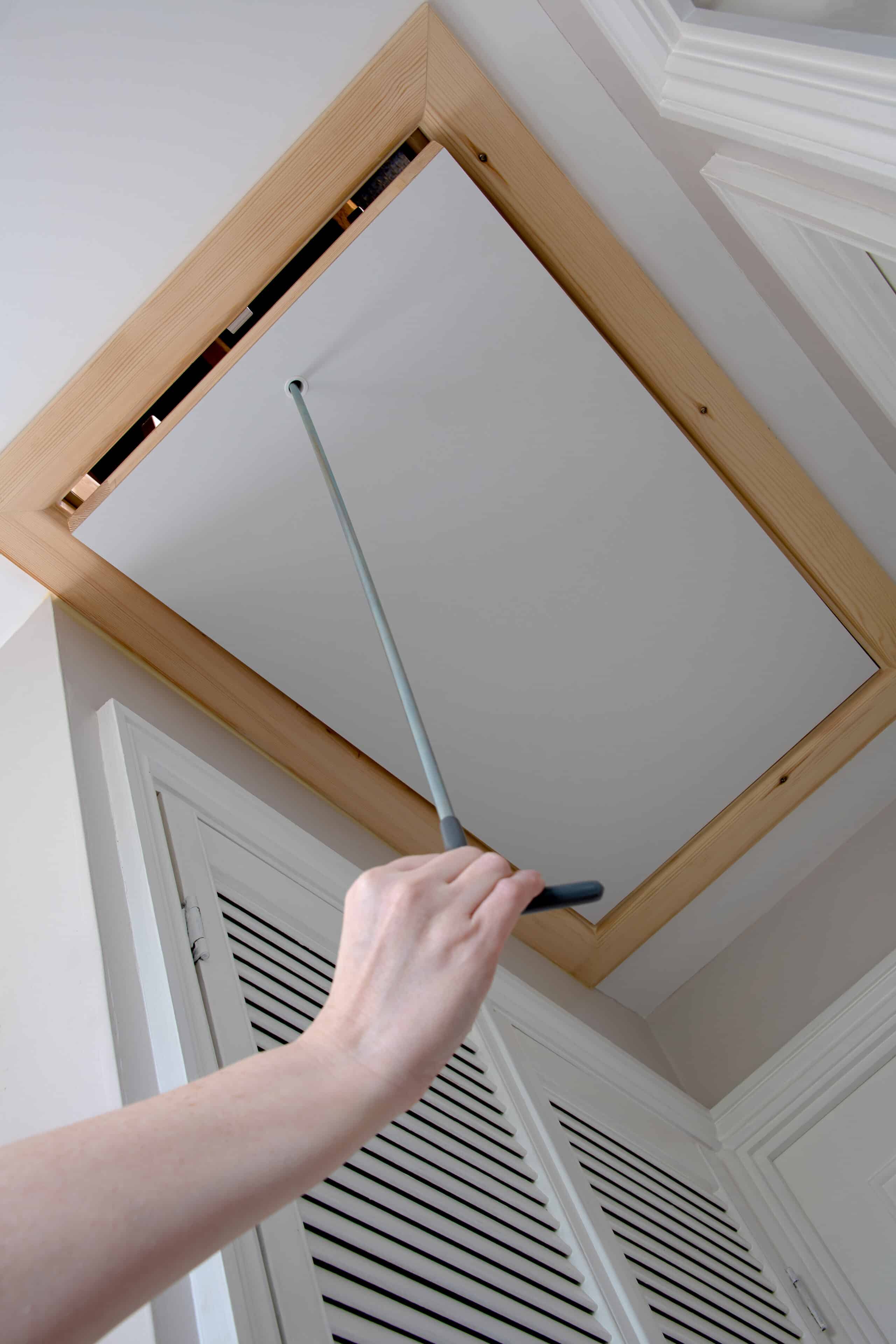
The area immediately around the loft hatch is prime real estate, because it’s the first and last part of the loft you interact with on every visit. Keeping this zone clear of large, permanent storage and instead using it for frequently accessed items – a step stool, a torch, seasonal decorations you swap in and out often – saves time and reduces the temptation to overreach or climb over boxes. A well-planned loft hatch installation with a slightly wider opening can also make this whole area easier to navigate, particularly if you’re regularly passing bulky items up and down.
- Swap to a Fold-Down or Space-Saving Ladder
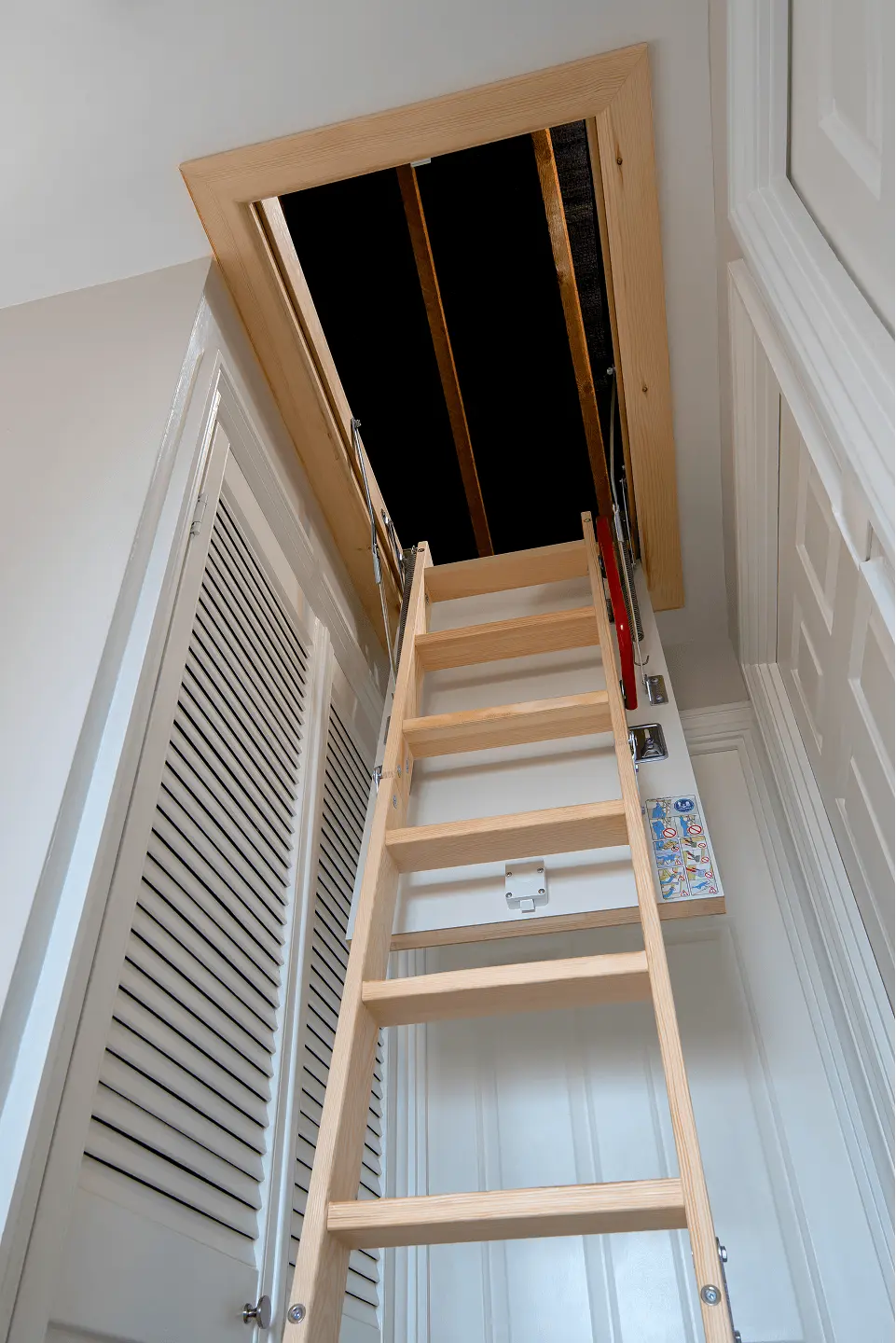
A bulky, fixed loft ladder can eat into valuable landing space below and make the hatch area feel cramped, especially in smaller homes. Switching to a fold-down or concertina-style ladder frees up that footprint when the loft isn’t in use, which matters more in small properties where every part of the house is doing double duty. This is one of the simpler small loft space saving ideas, but it has a disproportionate impact on how usable the loft feels day to day. InstaLoft’s loft ladder installation service covers several ladder types suited to different hatch sizes and access frequency.
- Use Clear Boxes for At-a-Glance Contents
In a small loft, there’s rarely room to lay everything out and browse – you need to know roughly what’s in a box before you commit to climbing over three others to reach it. Clear, transparent storage boxes solve this instantly, letting you see contents without opening every lid. This is a small change, but it’s one of the most effective clever storage ideas for small spaces because it directly reduces wasted trips and unnecessary lifting in a space where movement is already restricted.
- Label Everything for Fast Retrieval
Clear boxes help, but labelling takes it further, especially for anything opaque, wrapped, or bagged. A simple system – by room, by season, or by household member – means anyone in the house can find or return an item without needing to ask. In a compact loft where boxes are often stacked two or three high, a label on the short end (visible from the walkway) is far more useful than one on the top, which may be hidden once boxes are stacked.
- Rotate Seasonal Items to Free Up Space
Small lofts benefit enormously from a rotation habit rather than a “store it and forget it” approach. Keeping only the current or upcoming season’s items in the most accessible spots, and moving out-of-season items further back or into eaves storage, means the loft never feels permanently full. This is particularly effective in small properties, where households often want quick access to bedding, clothing, or luggage without disturbing the rest of the loft’s contents.
- Hang Items from Rafters (Use Purpose-Made Hanging Storage Where the Structure Allows)
Certain lightweight, awkwardly shaped items – sports equipment, travel bags, camping gear – are genuinely easier to hang than to store flat. Purpose-made rafter hooks or hanging brackets can free up floor space for boxes and bulkier items. This should only ever be done with fixings rated for the specific roof structure and item weight, and never by looping straps directly over trusses or purlins not designed to take a hanging load, as this can compromise the roof structure over time.
- Use Shallow Storage Units in Awkward Spaces
Shallow storage units can make otherwise difficult parts of a small loft more useful, particularly beneath sloping roofs and around the eaves. Choose low-profile shelving, narrow cupboards or compact storage boxes that fit within the available height without blocking access routes. This allows you to use restricted areas for smaller belongings while keeping the main walkway and higher sections of the loft clear.
- Keep a Clear Walkway for Safe Access
It’s tempting to fill every available gap in a small loft, but a loft without a clear walkway quickly becomes both inconvenient and unsafe. Leaving a defined path from the hatch to the far end of the loft – even if it’s narrow – means you’re never climbing over boxes or stepping off the boarded area to reach something. This single habit does more for long-term usability than almost any storage product, and it’s a point our team raises on nearly every small-loft installation.
- Add Loft Lighting So You Can Actually See What’s Stored
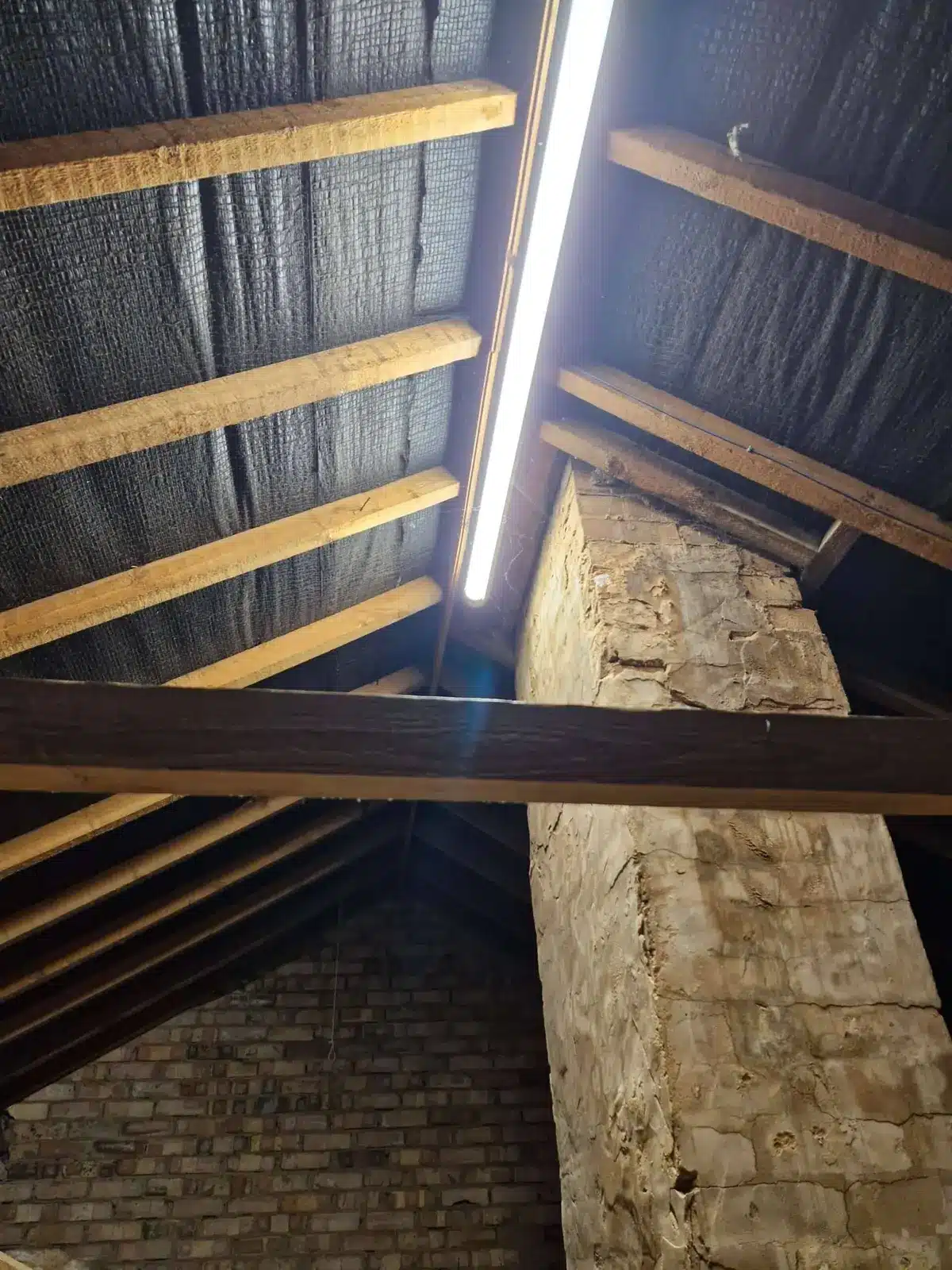
A loft lit only by a torch or a phone screen is a loft where mistakes happen – missed steps, dropped items, and boxes put back in the wrong place simply because nobody could see clearly. Proper loft lighting transforms a small loft from a space you avoid into one you’re happy to organise properly, and it makes every other idea on this list easier to execute well. For more details on lighting layouts that work in tighter loft spaces, see our guide to loft lighting ideas for usable storage space.
When Should You Get Professional Advice for a Small Loft?
Some small loft challenges are genuinely DIY-friendly, but structural, access, and safety questions are worth getting checked properly.
Reorganising boxes, adding shelving, or labelling contents are all jobs most households can tackle themselves over a weekend. Where it’s worth pausing is anything involving the loft’s structure or access: boarding over insulation, changing the ladder or hatch, adding lighting that involves wiring, or any concern about whether the joists can safely take the weight you’re planning to store. These are situations where a professional survey can help identify potential problems before work begins, particularly where insulation, structure, access or load capacity need to be considered.
It’s also worth getting advice if you’re unsure whether your loft has enough headroom to be worth boarding at all, or if you’re planning a heavier project like a new build loft storage setup. Our guide on new build loft storage solutions covers some of the specific considerations for newer homes, where truss designs and insulation depths can differ significantly from older properties.
If cost is the main question holding you back, our breakdown of loft boarding costs in the UK is a useful starting point before booking a survey.
Conclusion
A small loft doesn’t have to mean limited storage – it means storage that has to be planned rather than improvised. Starting with a solid, properly boarded floor, making full use of the eaves and roofline, and layering in the smaller organisational habits above can turn even the tightest loft into a space that genuinely earns its keep. These principles also work well as loft space-saving ideas for compact homes and tiny homes, where floor area is particularly limited.
InstaLoft has applied exactly this approach across more than 71,000 UK loft boarding installations, and our team is happy to talk through what’s achievable in your specific loft, whatever its size or shape. Explore our full range of loft boarding services or get in touch to arrange a no-obligation survey.
Small Loft Storage FAQs
What is the best storage idea for a very small loft?
Boarding the floor properly is always the starting point, since it creates a safe, even surface. After that, eaves storage and slimline roofline shelving tend to deliver the biggest space gains in compact lofts.
What can I store in a small loft?
A small loft is best suited to lightweight, infrequently used household items such as seasonal decorations, suitcases, clothing, keepsakes and empty storage boxes. The available space, access and load capacity should be considered before storing heavier belongings. In a small loft, it is also useful to organise items by how often you need them, keeping frequently accessed belongings in the easiest-to-reach areas and less-used items in lower or harder-to-reach spaces.
Can I store heavy items in a small loft?
Whether a small loft can safely accommodate heavier storage depends on the existing structure, joists, span, boarding system and how the load is distributed. If you’re planning to store unusually heavy items, have the loft assessed before installation.
How much headroom do I need for loft storage?
There is no universal minimum headroom requirement for loft storage. Suitability depends on the loft layout, access, boarding system and intended use. In a small loft, even limited headroom can still be useful for storage in areas such as the eaves, provided access and safety are properly considered.
Are small attic storage ideas different for tiny houses?
The principles are the same – boarding, eaves use, vertical space, and organisation – but tiny house lofts tend to need every idea applied more rigorously, since there’s less spare space to absorb inefficiency.
Do I need an electrician for loft lighting?
If installing or modifying fixed electrical wiring, use a suitably qualified electrician and ensure the work complies with applicable UK electrical requirements.
How do I know if my loft is suitable for boarding?
The clearest way is a professional survey, which checks joist spacing, roof type, insulation depth, and headroom before recommending a boarding system suited to your loft.