





Do Loft Boards Need to be Raised Over Insulation?
Quick Answer: Do Loft Boards Need to be Raised Over Insulation?
Yes, in most lofts, loft boards should be raised above the insulation rather than being laid directly on top of it. This is because modern UK standards typically recommend around 270 mm of loft insulation, which is often deeper than the ceiling joists. If boards are placed directly on the insulation, they can compress it, reducing its effectiveness and increasing heat loss. Using loft legs or a raised boarding system creates a gap above the insulation, helping to maintain energy efficiency while still providing useful storage space.
If you’re planning to board your loft for storage, one of the most common questions you’ll encounter is: do loft boards need to be raised?
It’s a sensible question. After all, many older lofts were simply boarded directly onto the joists, creating a convenient storage area with relatively little effort. However, loft insulation standards have changed significantly over the years, and what worked decades ago may not be suitable for modern homes.
Today’s properties require much higher levels of insulation to improve energy efficiency and reduce heating costs. As a result, many lofts now contain insulation that sits above the height of the ceiling joists. Installing boards directly over this insulation can compress the material, reduce its thermal performance and restrict airflow within the roof space.
This is where raised loft boarding comes in. Designed specifically to work alongside modern insulation standards, raised systems create a sturdy storage platform above the insulation layer, allowing homeowners to enjoy the benefits of both effective insulation and practical storage.
In this guide, we’ll explain why loft boards are often raised, the problems that can occur when they aren’t, and how professional loft boarding systems help protect your home’s energy efficiency.
Table of Contents
- What Is Raised Loft Boarding?
- Why Does Loft Insulation Matter?
- Do Loft Boards Need to Be Raised?
- What Happens If Loft Boards Are Installed Directly on Joists?
- What are the main advantages of raised loft flooring compared to traditional boarding?
- How Do Raised Loft Boarding Systems Work?
- How can you ensure your loft complies with current insulation regulations?
- Is Raised Loft Boarding Worth It?
- Why Choose Instaloft?
- Frequently Asked Questions
What Is Raised Loft Boarding?
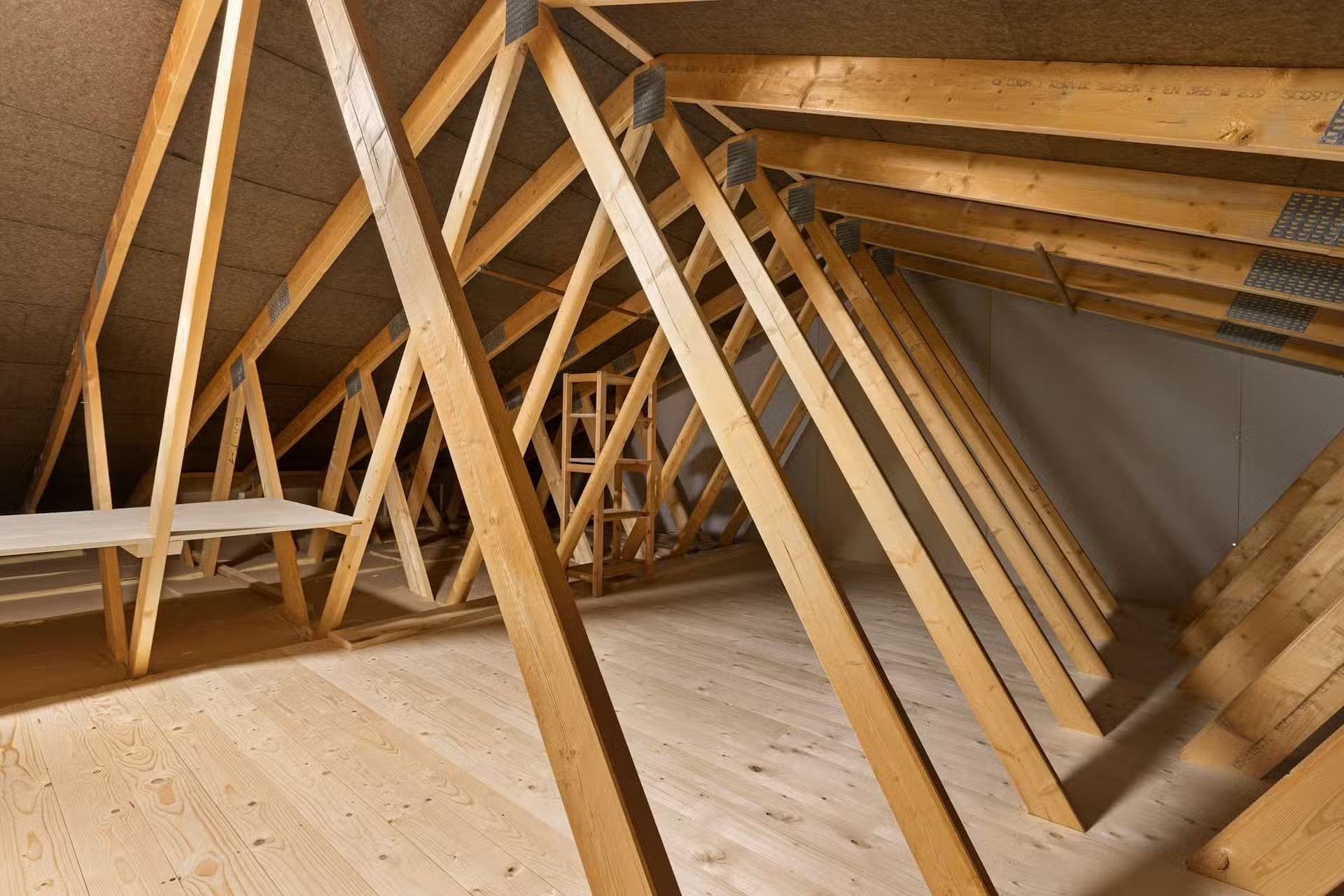
A modern loft flooring method that raises boards above insulation to protect thermal performance while creating usable storage space.
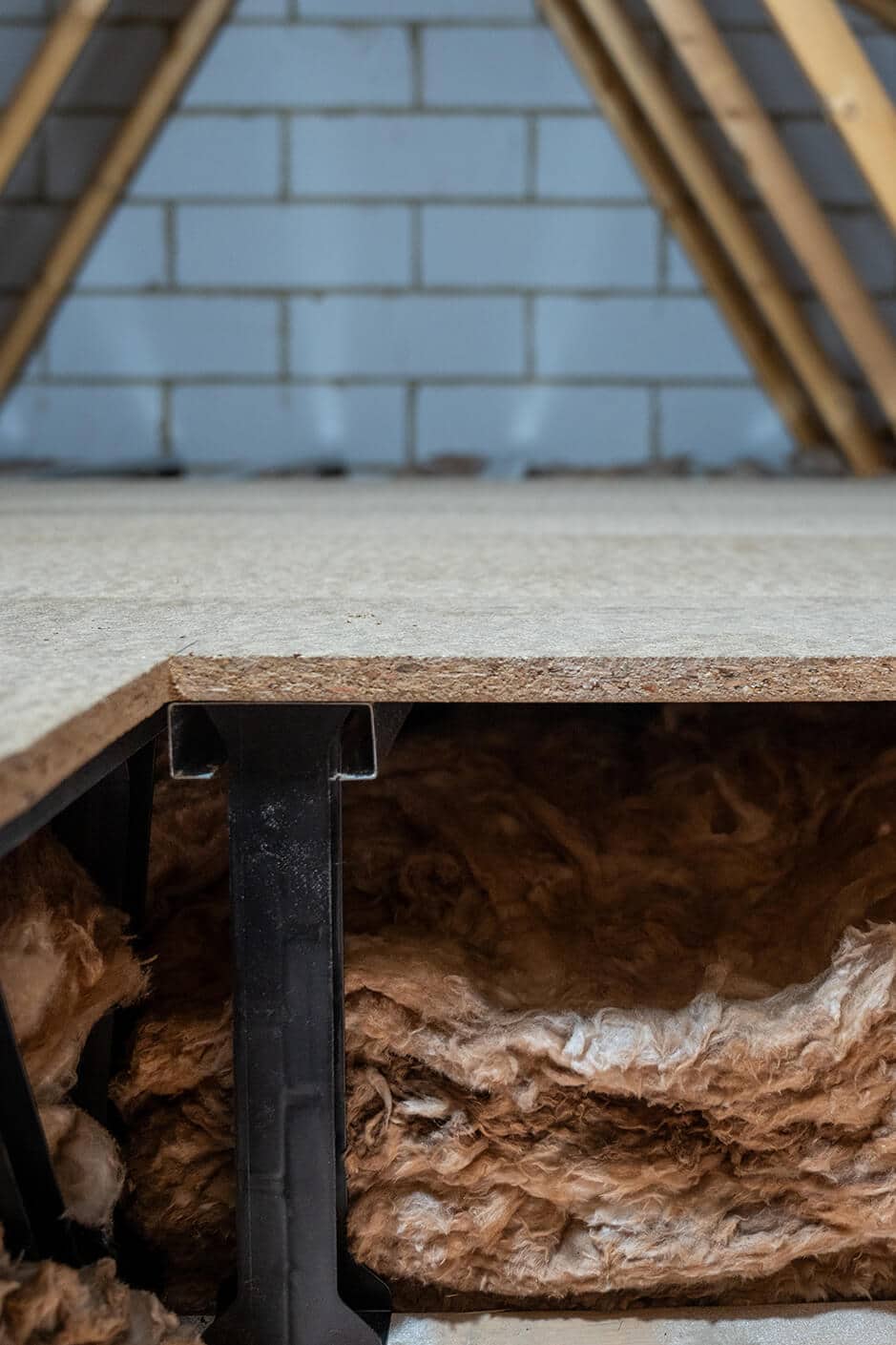
Raised loft boarding is a method of creating a usable floor surface in your loft that sits above, rather than on top of, your existing insulation. Instead of laying boards directly onto the joists – which compresses or displaces the insulation beneath – a raised system uses specially designed legs or stilts to elevate the boarding platform to a height that allows the full depth of insulation to remain intact and fully functional underneath.
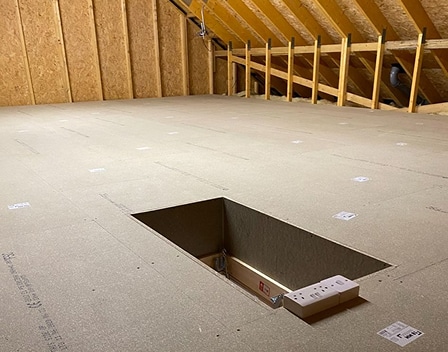
The result is a firm, level, walkable surface that gives you genuine loft storage without compromising the thermal performance of your home. It’s the approach recommended by energy efficiency experts and is now widely regarded as the correct method for boarding a loft in any home with modern insulation levels.
At Instaloft, raised loft boarding sits at the core of what we do. Our LoftZone loft boarding system uses StoreFloor technology specifically engineered to raise boards above insulation while creating a stable and load-bearing platform across your loft floor. It’s the smarter way to board – and in most cases, the only way that makes long-term sense.
Why Does Loft Insulation Matter?
Loft insulation is a key energy efficiency measure that prevents significant heat loss through your roof.
Before exploring the boarding question in depth, it helps to understand why loft insulation is so important to begin with.
The Role of Loft Insulation in Energy Efficiency
Around 25% of a home’s heat is lost through an uninsulated roof. The loft floor – the ceiling of your top storey – is one of the largest single surfaces through which warmth escapes. Effective insulation in this area significantly reduces that heat loss, keeping your home warmer in winter and reducing the load on your heating system year-round. For most households, adequate loft insulation represents one of the best value energy efficiency improvements available.
Recommended Insulation Depth in UK Homes
Current guidance from the Energy Saving Trust and the UK government recommends a minimum of 270mm of mineral wool insulation in loft spaces. This typically means a 100mm layer between the joists and a further 170mm laid across the top of the joists in a second layer – a cross-hatched arrangement that eliminates cold bridges at the joist positions. Most standard joists in UK homes are only 100mm deep, which means the recommended insulation level extends well above the top of the joists.
This is precisely where the conflict with traditional loft boarding arises – and why the question of raising boards matters so much.
You can explore loft insulation as part of a complete installation through Instaloft, including top-up insulation to bring existing homes up to recommended levels before boarding work begins.
Do Loft Boards Need to Be Raised?
In most modern insulated homes, loft boards should be raised to avoid compressing insulation and reducing efficiency.
In most homes with modern or recently upgraded insulation, yes – loft boards do need to be raised over the insulation. Here’s why.
If your loft insulation is installed at the recommended 270mm depth, it will already be sitting above the top of your joists. Standard loft boards laid directly across those joists will press down on the upper insulation layer, compressing it significantly or removing it altogether to make the boards sit flat. Either outcome substantially reduces the thermal effectiveness of the insulation – in some cases negating much of its benefit entirely.
Why Raising Boards Changes the Outcome
Raising the boards changes this equation. By using a system that lifts the boarding surface above the insulation, you maintain the full depth and loft of the material, preserving its ability to trap warm air and resist heat transfer through the roof structure.
When Raising May Not Be Necessary
The question of whether boards need to be raised is therefore less about preference and more about the specific insulation depth in your loft. In older homes where insulation hasn’t been upgraded – or where a single shallow layer was fitted years ago – the joist depth may be sufficient for standard boarding without significant compression. But in the majority of modern and recently renovated UK homes, where insulation has been upgraded to current recommended levels, raised boarding is the only approach that doesn’t undermine the investment already made.
Our loft boarding services always begin with an assessment of your existing insulation and loft conditions. This informs which boarding approach is most appropriate for your specific home.
What Happens If Loft Boards Are Installed Directly on Joists?
Directly boarding onto joists can compress insulation, increase energy costs, and create long-term structural and moisture issues.
Installing loft boards directly onto joists without raising them above the insulation leads to a series of problems, some immediately apparent and others that build quietly over time.
Compressed Insulation Loses Its Effectiveness
Insulation works by trapping pockets of still air within its fibres. When compressed, those air pockets are eliminated. Mineral wool compressed to half its intended depth can lose a significant portion of its insulating value. If boards are pressing down on 270mm insulation and squashing it to the height of a 100mm joist, you may be left with a fraction of the thermal performance the material was installed to deliver.
Energy Bills Rise
With reduced insulation performance in the loft floor, more heat escapes through the roof. This means your boiler or heating system works harder to maintain the same temperature – increasing your energy consumption and your bills. Given the sustained rise in energy costs across the UK in recent years, the financial impact of poor insulation is more tangible than ever.
Condensation and Damp Risks Increase
Inadequate insulation at the loft floor can cause temperature differentials within the loft space that promote condensation on structural timbers and roof components. Over time, this can lead to damp, mould, and even structural deterioration – problems that are far more costly to remedy than a properly installed boarding system from the outset.
Your EPC Rating May Be Affected
Energy Performance Certificates (EPC’s) assess how efficiently a home uses energy, and loft insulation is a direct factor in the rating. If a surveyor identifies compressed or inadequate insulation during an EPC assessment, it can affect your rating – which in turn may impact your home’s value and saleability. At Instaloft, we offer an EPC choice service designed to help homeowners understand and improve their energy performance alongside loft boarding work.
Structural Load Distribution is Compromised
Standard loft boards laid directly on joists concentrate load at the joist positions. Raised boarding systems are typically engineered to spread load more evenly across multiple joists, reducing the risk of point loading that could stress the ceiling structure below.
What are the main advantages of raised loft flooring compared to traditional boarding?
Raised systems protect insulation while creating safe, usable, and energy-efficient loft storage.
When raised loft boarding is installed correctly, the advantages are considerable – both immediately practical and significant over the longer term.
Insulation Integrity is Preserved
The single most important benefit is that your insulation continues to perform as it was designed to. With boards elevated on a raised platform, the full depth of mineral wool is maintained, and your home retains its thermal efficiency. You paid for that insulation – raised boarding ensures you keep it.
Usable, Organised Storage Space
A properly raised and boarded loft provides a stable, level surface that can safely hold boxes, seasonal items, suitcases, sports equipment, and a wide range of household belongings. Combined with loft shelving and loft lighting, a boarded loft becomes a genuinely functional storage area rather than a difficult-to-access void.
Lower Energy Bills
By maintaining the thermal performance of your insulation, raised boarding indirectly keeps your heating costs down. For homeowners who have invested in loft insulation upgrades, raised boarding protects that investment and continues to deliver returns in reduced energy usage year after year.
Improved Home Value
A professionally boarded loft is an attractive feature to prospective buyers. It signals that the property has been well maintained and that storage has been thoughtfully considered. Our blog post on how loft boarding can increase your home’s value explores this in more depth.
Peace of Mind
With a professionally installed raised boarding system, you know your loft has been set up correctly – the insulation is doing its job, the platform is safe and stable, and the space is ready to use without any ongoing concerns.
How Do Raised Loft Boarding Systems Work?
The engineering behind raised loft boarding is straightforward but effective. Rather than resting boards directly on the joists, a raised system introduces a support structure that bridges across multiple joists and holds the boarding surface at a defined height above them.
The LoftZone StoreFloor System
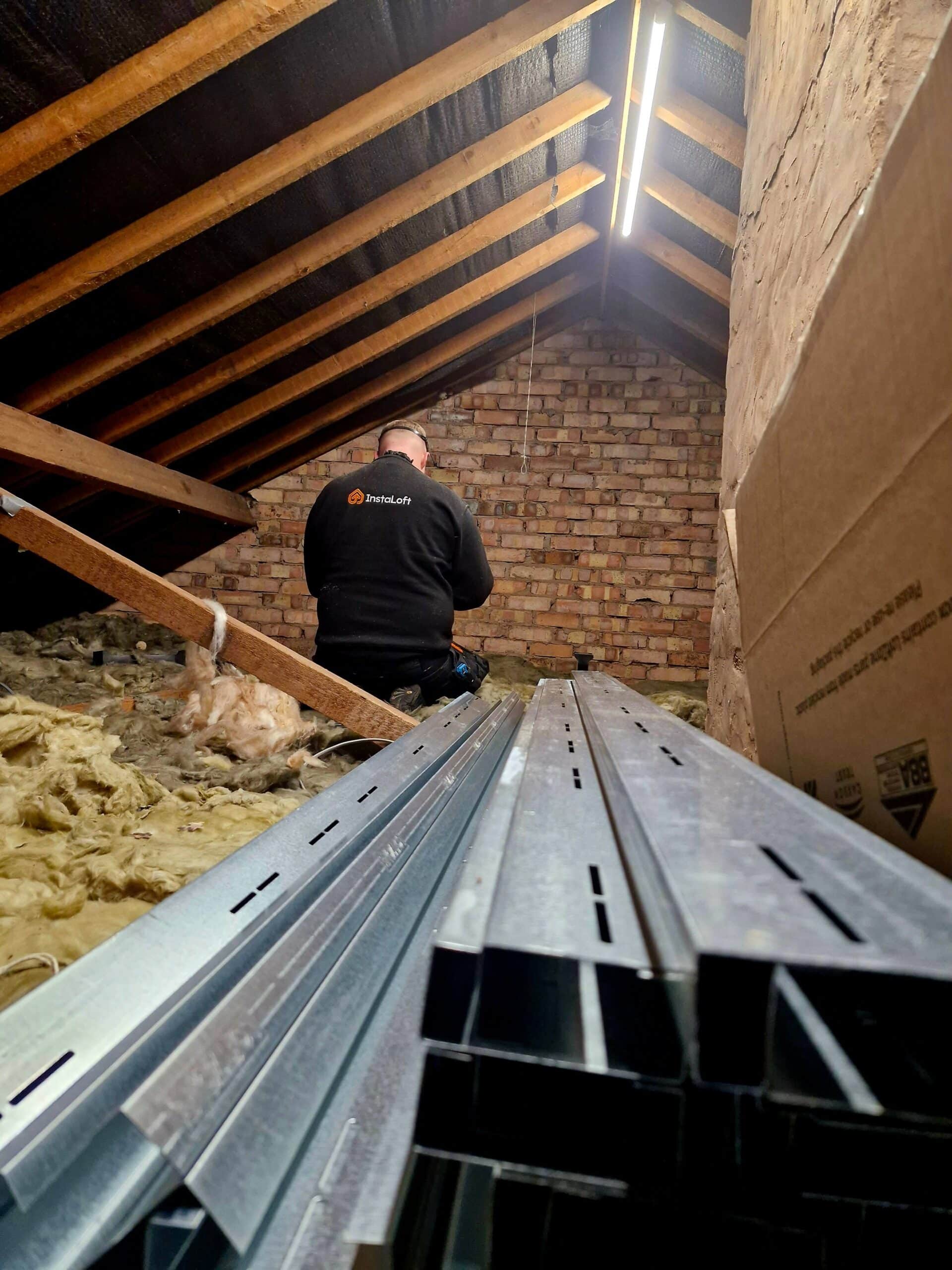
The most widely used and technically proven system in the UK market is the LoftZone StoreFloor, which Instaloft installs as standard. The system consists of a series of moulded plastic legs – sometimes referred to as stilts or risers – that clip to the existing joists and support a framework of runners. Boarding panels then lay across this raised framework, creating a consistent, level platform above the insulation.
Designed Around Insulation Performance
The LoftZone system is engineered to sit at a height that accommodates the recommended 270mm insulation depth while still leaving clearance beneath the boards. This allows the insulation to breathe and function as intended, and means that the loft space can be boarded without touching, compressing, or disturbing the mineral wool beneath.
Load Distribution and Structural Safety
The system is also designed to distribute load across multiple joists rather than concentrating weight at single points. This makes it structurally considerate of the ceiling below – an important factor in loft spaces where the timber frame was not originally designed to carry significant storage loads.
You can find out more about the specific LoftZone loft boarding system that Instaloft uses, including its technical specifications and installation method.
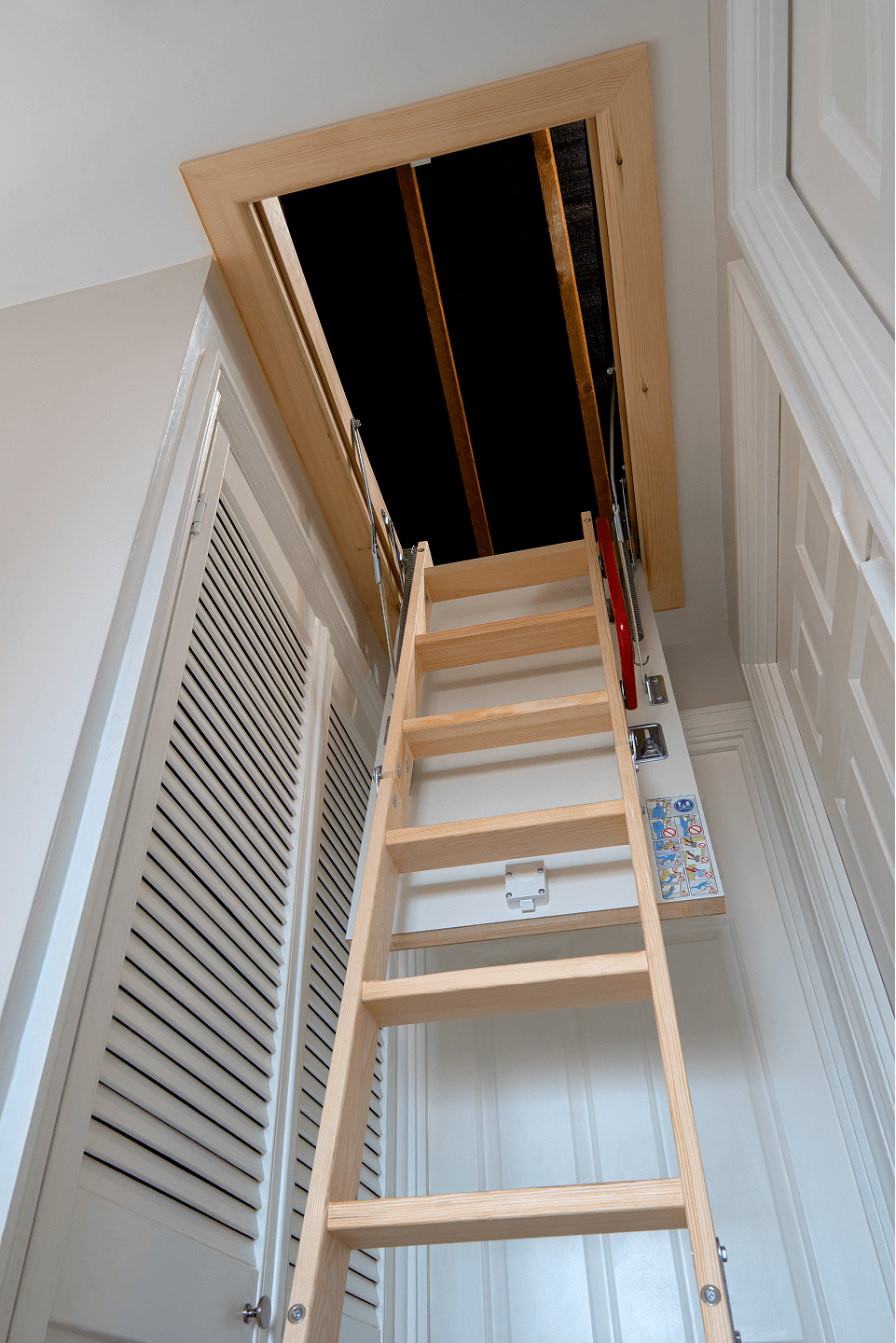
Our range of loft boarding packages includes raised boarding as a standard option across all sizes of loft, with additional extras available – including loft ladders, loft hatches, lighting, and shelving – to turn your loft into a fully equipped storage area from day one.
Summary Table
| Section | Summary |
| How Raised Loft Boarding Systems Work | Raised systems use engineered supports to create a stable storage platform above insulation without compressing it. |
| The LoftZone StoreFloor System | A widely used UK system using raised legs and runners to form a level boarding platform above joists and insulation. |
| Designed Around Insulation Performance | The system maintains full insulation depth by keeping boards elevated, allowing thermal efficiency to remain intact. |
| Load Distribution and Structural Safety | Weight is spread across multiple joists, reducing stress on any single point and improving structural safety. |
| System Details & Installation Options | Instaloft offers full raised boarding packages with optional extras like ladders, lighting, hatches, and shelving. |
How can you ensure your loft complies with current insulation regulations?
One of the most common misconceptions around loft boarding is that it falls outside the scope of building regulations. In practice, while boarding a loft for storage purposes does not typically require planning permission, it does interact with UK building regulations in ways that every homeowner should understand.
Boarding a loft for storage does not usually require planning permission, but it can still fall within the remit of building regulations depending on the nature of the work and its impact on thermal performance.
Planning Permission vs Building Regulations
Part L of the Building Regulations (Conservation of Fuel and Power) is the key area to be aware of. It sets out requirements for the thermal performance of buildings and makes clear that work on a property should not result in a reduction in that performance. Installing loft boards in a way that compresses insulation and reduces its effectiveness could, in principle, be considered non-compliant with this requirement – particularly if the work were carried out as part of a wider building project subject to Building Regulations approval.
Industry Standards for Insulation Depth
Beyond the regulatory position, there is a practical standard that is broadly adopted across the industry: the recommendation that loft insulation should be maintained at a minimum of 270mm in depth. This figure comes from government guidance and the Energy Saving Trust, and it represents the level at which the cost of the insulation is most effectively offset by the energy savings it delivers over its lifetime.
Why Raised Boarding Supports Compliance
For homeowners whose insulation has been installed to this standard – and for those upgrading to it as part of a loft improvement project – raised boarding is the only method that preserves compliance with this guidance.
How Instaloft Ensures Compliance and Performance
Instaloft’s installations are carried out with full awareness of these standards. Our installation process is designed to leave your loft in a better state than we found it – with insulation intact, boarding correctly raised, and your home’s energy efficiency preserved or improved.
If you’re uncertain about your existing insulation and its depth, our team can assess this during your free survey before any boarding work begins. We also offer loft insulation top-up services for homes where the current depth falls short of the recommended level.
Is Raised Loft Boarding Worth It?
For most UK homeowners, raised loft boarding is a long-term investment that protects insulation, reduces energy waste, and adds genuine usable space.
Given everything covered above, the answer for the vast majority of UK homeowners is a clear yes – raised loft flooring is worth it, and in most cases it’s the only approach that makes sense.
Cost Difference vs Long-term Value
The cost difference between standard boarding laid directly on joists and a properly raised system is relatively modest in the context of a full installation. The LoftZone system used by Instaloft is a manufactured, engineered product, but its addition to an installation does not represent a dramatic price premium when weighed against the total cost of the project. And the long-term value of preserving your insulation – in energy savings, in sustained home value, and in avoiding the need to correct compressed insulation down the line – is substantial.
The Hidden Cost of Standard Boarding
Consider the alternative. A homeowner who boards their loft without raising the platform may save a small amount upfront. But if they’ve compressed 270mm of insulation down to 100mm in the process, they’ve significantly undermined the thermal performance of their roof. At current energy prices, that difference in heat loss could add meaningfully to annual heating bills. Over five or ten years, the cumulative cost can easily exceed the savings made at installation – and that’s before accounting for any damp or structural issues that might arise from poor thermal management.
Pricing Transparency and Planning Your Project
For homeowners considering the investment, our 2026 loft boarding cost guide provides detailed pricing information, and our loft boarding packages are designed to offer transparent, inclusive pricing across all loft sizes and configurations.
Added Value Beyond Storage
There’s also the broader context of home improvement value to consider. A properly boarded loft – with raised platform, integrated lighting, a quality loft ladder, and a well-fitted loft hatch – is a genuinely compelling feature when it comes to selling your home. Buyers and estate agents alike recognise the practical value of organised, accessible storage.
Raised loft boarding is not a luxury upgrade. It is the correct standard for loft boarding in any home with adequate insulation – and increasingly, it’s simply what professional, reputable installation looks like.
Summary Table
| Section | Summary |
| Is Raised Loft Boarding Worth It? | Yes – it is a long-term investment that protects insulation, reduces energy loss, and improves usable storage space. |
| Overall Verdict | For most UK homes, raised loft boarding is the correct and most effective solution, not just an optional upgrade. |
| Cost Difference vs Long-term Value | The upfront cost difference is relatively small, but long-term savings from preserved insulation and efficiency are significant. |
| The Hidden Cost of Standard Boarding | Compressing insulation can lead to higher energy bills, reduced efficiency, and potential damp or structural issues over time. |
| Pricing Transparency and Planning Your Project | Clear pricing guides and structured packages help homeowners plan and understand installation costs upfront. |
| Added Value Beyond Storage | A properly boarded loft improves property appeal, functionality, and resale value with safe, accessible storage. |
| Final Conclusion | Raised loft flooring is the industry standard for insulated homes and the most reliable long-term approach. |
Why Choose Instaloft?
Instaloft is the UK’s number one loft boarding company, with thousands of installations completed across England and Wales. We were founded on the principle that loft boarding should be done properly – which is why raised loft flooring using the LoftZone StoreFloor system is our default approach, not an optional extra.
Every Instaloft installation begins with a free, no-obligation survey of your loft space. Our team assesses your existing insulation, the condition and layout of your joists, access points, and the available storage area – before providing a transparent, itemised quote for the work. There are no hidden costs, and we won’t recommend products or additions you don’t need.
Our installers are trained, experienced, and committed to delivering work to a consistent professional standard. We operate across a growing network of locations throughout the UK – you can find your nearest area on our locations page – and our customer satisfaction ratings reflect the quality and care we bring to every project.
We offer flexible loft boarding packages tailored to different loft sizes and requirements, with complete transparency on what’s included. Whether you’re looking for a straightforward storage solution or a fully fitted loft room, our team will guide you through the options.
To take the next step, get in touch for your free quote or visit our help and advice section for answers to the most common questions about loft boarding.
Frequently Asked Questions
What is raised loft boarding?
Raised loft boarding is a system that creates a storage platform above the insulation layer rather than directly on top of it. This allows insulation to remain at its recommended depth while providing usable loft storage.
Do loft boards need to be raised over insulation?
In most modern homes, yes. Raised loft flooring prevents insulation from being compressed and helps maintain its thermal performance.
Can I install loft boards directly onto joists?
While it is technically possible, doing so can compress insulation, reduce energy efficiency and restrict airflow within the loft space.
How much loft insulation should I have?
Current recommendations generally suggest around 270mm of loft insulation, although this may vary depending on the property and insulation type.
Does raised loft flooring help prevent condensation?
Yes. By maintaining airflow beneath the loft boards and preventing insulation compression, raised systems can help reduce the risk of condensation developing within the loft.
Is raised loft boarding suitable for new-build homes?
Absolutely. New-build properties often contain deep levels of insulation, making raised loft boarding particularly beneficial.
Can raised loft boarding increase the amount of storage in my home?
Yes. It transforms unused loft space into a safe and accessible storage area, helping homeowners make better use of their property’s available space.
How long does raised loft flooring last?
A professionally installed raised loft flooring system can provide many years of reliable performance when used appropriately for household storage.