





Boarding Out A Loft: Everything You Need to Know about Raised, Standard & Compact Loft Boarding
Quick Answer: What Do You Need to Know About Boarding Out a Loft?
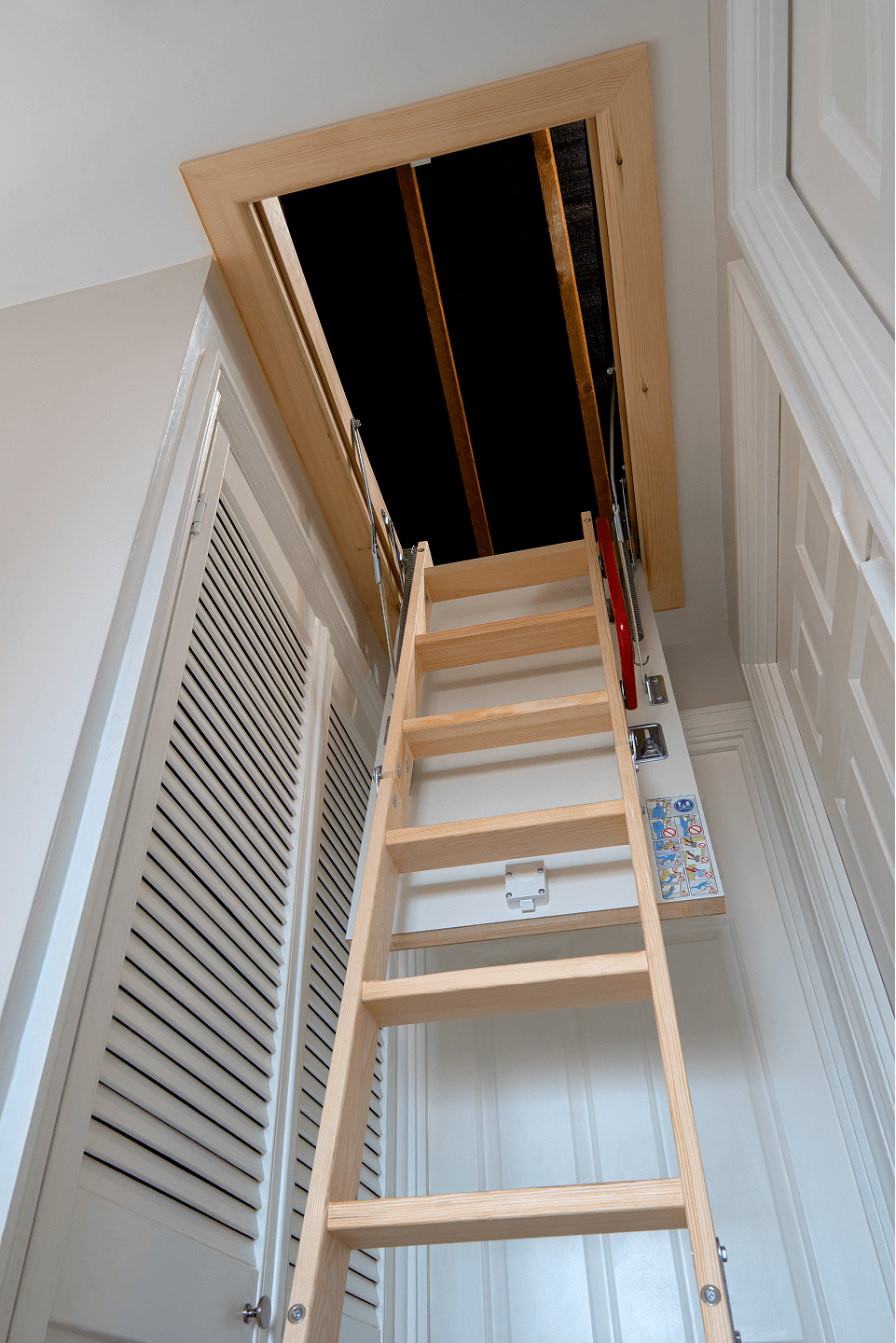
Boarding out a loft involves installing a raised, load-bearing floor so the space can be used safely for storage without compressing insulation or overloading ceiling joists. It usually requires checking that the joists can support the extra weight, adding a proper loft ladder and safe access hatch, and ensuring ventilation isn’t blocked to prevent damp or mould. In most UK homes, it’s classed as non-habitable storage, so planning permission is rarely needed, but building regulations may apply if structural changes are made. Costs typically range from around £895+ depending on the size of your attic space.
Loft boarding is one of the most effective ways to turn an unused attic space into practical, accessible storage. Whether you opt for professional installation or a DIY approach, there are several different systems available when boarding out a loft – each designed to suit different property types, budgets, and insulation requirements.
Understanding the differences between raised, compact, and standard loft boarding is essential when deciding which option is right for your home. Each method varies in terms of insulation protection, storage potential, installation complexity, and long-term energy efficiency.
In this guide, we’ll break down each loft boarding option, explore their key benefits and limitations, and help you understand when it’s best to use a professional loft boarding company to ensure the work is completed safely and to a high standard.
Table of Contents
- What is Loft Boarding?
- Raised Loft Boarding
- Compact Loft Boarding
- Standard Loft Boarding
- Loft Boarding Comparison Table
- Which Option Should You Choose?
- Loft Boarding FAQs
What is Loft Boarding?
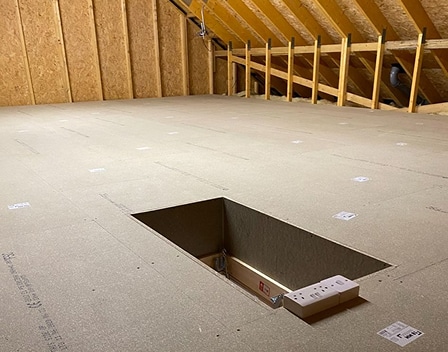
Loft boarding is the process of installing a solid floor surface across the structural joists of a loft or attic space, creating a safe, usable area for storage or occasional access.
In most homes, the loft contains exposed ceiling joists and loft insulation rather than a walkable surface. Boarding out a loft involves fitting timber or raised boarding systems over this structure to create a stable platform.
There are different methods of loft boarding:
- Standard boarding: boards are fixed directly onto the joists.
- Raised boarding systems: boards are elevated above the insulation to maintain thermal efficiency and prevent compression.
- Compact raised systems: a lower-profile raised option designed for lofts with limited headroom.
The main purpose of loft boarding is to increase usable storage space while, depending on the system used, preserving or improving the performance of loft insulation and reducing issues such as heat loss or condensation.
Raised Loft Boarding
Raised loft boarding is a loft flooring system that installs a raised subframe above your existing joists and insulation, creating a safe, usable storage platform without compressing thermal insulation.
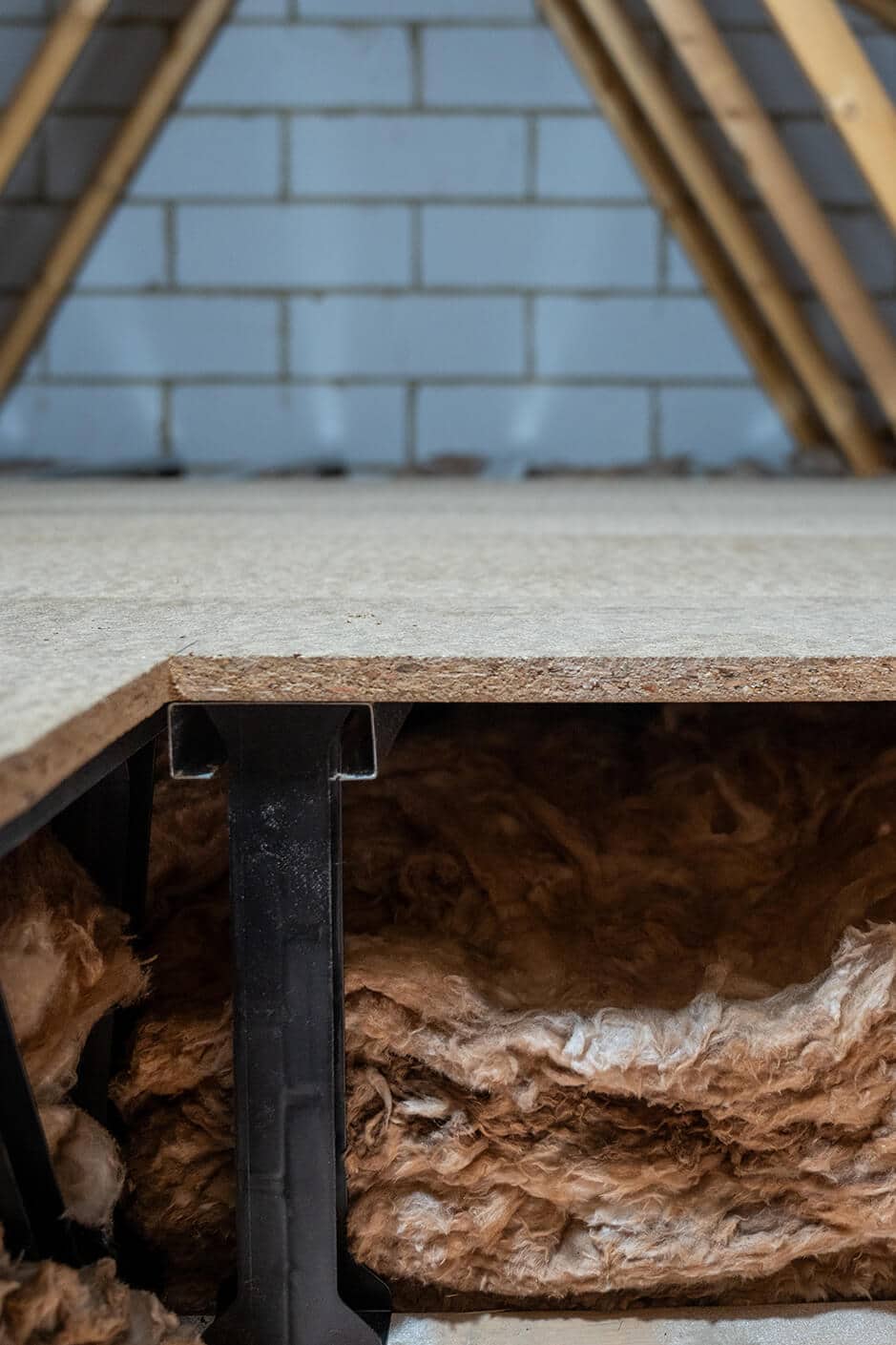
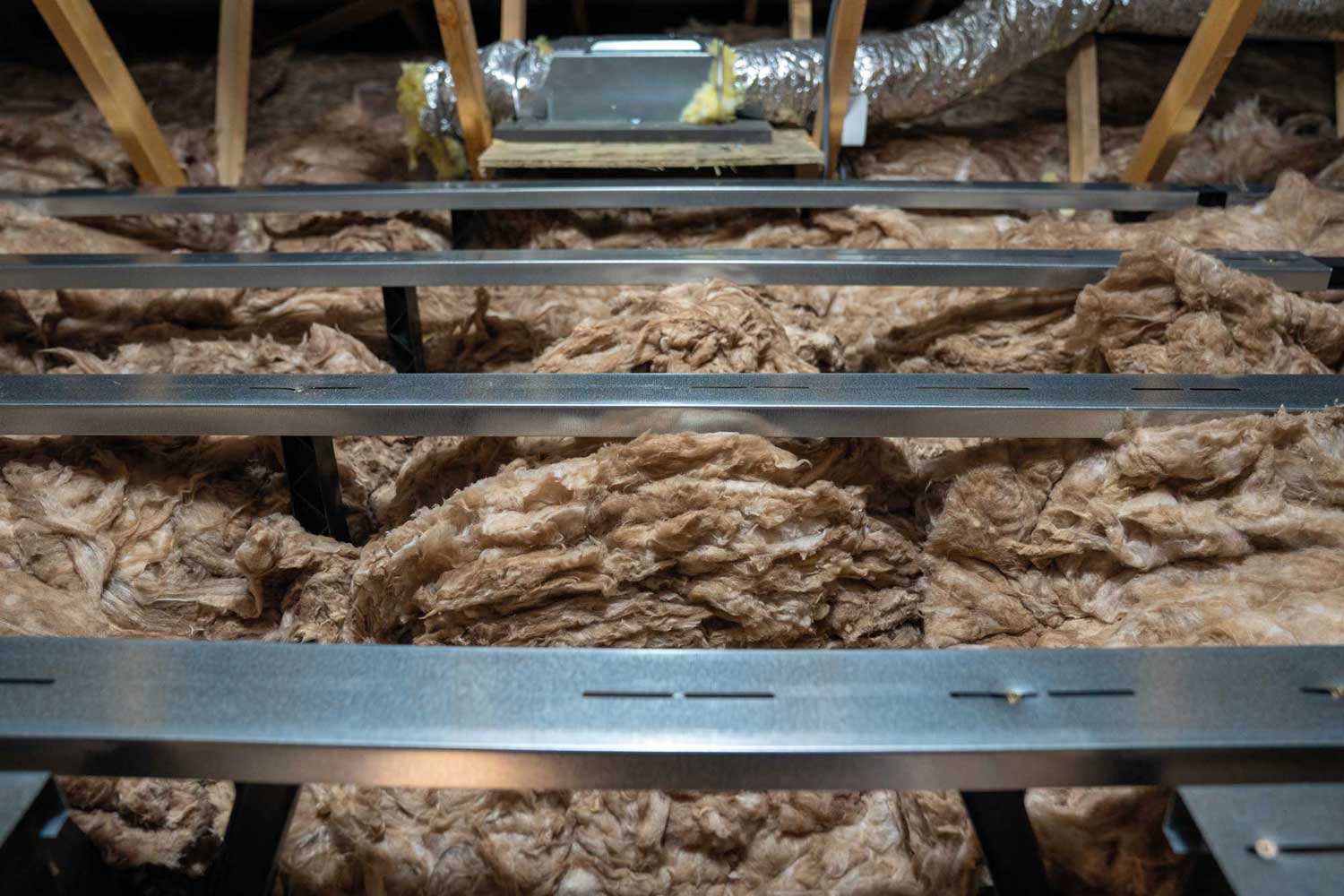
Raised loft boarding works using a raised subframe to lift loft boards above both the insulation and the ceiling joists. This system is designed to create a safe, usable storage platform without compressing the insulation layer below.
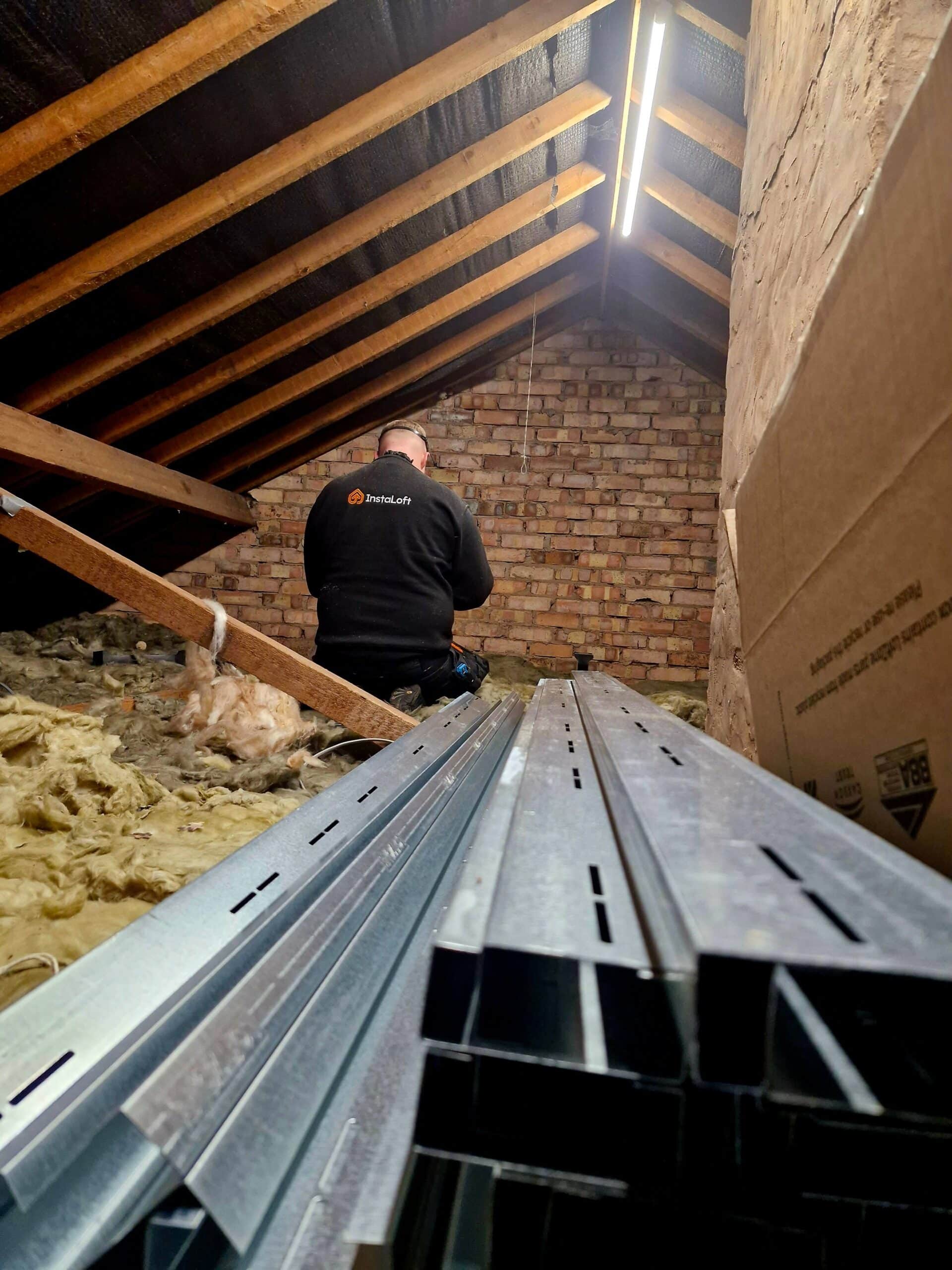
The structure is typically built using extremely strong, engineering-grade plastic support legs fixed into the joists. Between these supports, galvanised steel crossbeams are installed, forming a rigid framework. Loft boards are then fitted on top of this raised system to create a stable and load-bearing floor.
The elevated design allows air to flow freely over the insulation and beneath the loft flooring. This airflow is important because it helps prevent moisture build-up, reducing the risk of damp and condensation issues forming within the loft space.
What Are the Advantages of Raised Loft Boarding?
While raised loft boarding is typically best installed by a professional loft boarding company and may involve a higher upfront cost, loft boards over insulation pros and cons outweigh other loft boarding options and include:
- Adds up to 50% more usable floor space in the loft compared to standard boarding
- Reduces heat loss from the home
- Protects and preserves loft insulation performance
- Helps reduce overall energy bills over time
- Creates safe and practical extra storage space
- Can add value to the property
We’re proud to be a loft boarding installer approved to install the award-winning StoreFloor system from LoftZone. A specially designed raised loft boarding system that is the only one in the UK to be BBA approved, doesn’t affect the warranty on new-build homes, can hold up to 500kg per square metre and is built to enhance the efficiency of your insulation while increasing the storage capabilities in your home.
To most people, loft boarding over insulation pros and cons outweigh the initial costs. So, if you’re looking for an easy loft boarding system that will stand the test of time and help reduce your long-term energy bills, it’s likely that raised loft boarding is the right choice for you!
Is My Home Suitable for Raised Loft Boarding?
Raised loft boarding is suitable for virtually all home types and roof structures, including cut, purlin, and truss roofs. It is also appropriate for new build properties, as it does not interfere with manufacturer warranties when installed using approved systems. Check out our information on loft boarding for new build homes section for more information.
Raised Loft Boarding Summary
Raised loft boarding is a high-performance loft flooring system that elevates boards above loft insulation to preserve thermal efficiency while creating strong, accessible storage space. Boarding out a loft with this system improves airflow, reduces condensation risk, supports energy savings, and is suitable for most property types, including new builds, making it a long-term, durable upgrade over standard boarding methods.
Compact Loft Boarding
Compact loft boarding is a raised loft flooring system designed for properties where full-height raised boarding may not be practical due to limited loft headroom.
Compact loft boarding is a reduced-height alternative to full raised loft boarding, designed to lift the loft floor above the joists and insulation but on a smaller structural scale. Instead of the standard raised system height of around 279mm (such as the StoreFloor system), the compact package is typically around 159mm tall. This reduced profile allows for insulation to remain in place – often up to approximately 100mm above the joists – without being fully compressed.
While modern loft insulation recommendations are generally 270mm or more, compact loft boarding provides a practical compromise by retaining a significant portion of insulation depth. This makes it a far better option than standard loft boarding, which often compresses insulation directly under the boards and reduces its thermal effectiveness.
What Are the Benefits of Compact Loft Boarding?
Not every loft storage company offers compact systems, but they can be highly effective depending on the property type and loft conditions. Key benefits include:
- The ideal solution for homes with limited loft headroom
- Uses the same raised principle as full systems, helping protect insulation
- Allows insulation to remain largely effective rather than being compressed
- Increases usable storage space without significantly reducing vertical height
- Provides a safer, more stable loft flooring surface compared to standard boarding
Is My Home Suitable for Compact Loft Boarding?
Compact loft boarding is most commonly suited to older homes, which typically have lower loft headroom and less vertical clearance. However, it can be installed in most property types depending on requirements.
In newer build properties, full-height raised loft boarding is generally recommended instead, as it provides maximum insulation protection and is often preferred in relation to warranty considerations.
Compact Loft Boarding Summary
Compact loft boarding is a practical mid-level solution between standard and fully raised systems. Using this system when boarding out a loft balances insulation preservation with usable storage space, making it particularly useful where loft height is restricted but improved thermal performance is still a priority.
Standard Loft Boarding
Standard loft boarding is the most basic method of creating a usable loft floor by laying loft boards directly across the existing ceiling joists in the attic space.
Standard loft boarding is typically the cheapest option because it does not require any raised support system or additional structural framework. It is also relatively quick and straightforward to install, making it a popular choice for homeowners looking for a simple storage solution.
However, because the boards sit directly on the joists, they often compress the insulation beneath them. This compression reduces the insulation’s effectiveness, which can negatively impact the energy efficiency of the home and increase long-term heating costs. In some cases, insulation may even be removed entirely to achieve a level boarding surface.
When insulation is squashed, it can also begin to trap moisture, which may lead to damp conditions in the loft. If left unresolved, this can develop into more serious issues such as mould growth or timber rot. In addition, reduced or removed insulation can prevent heat from being properly retained in the home and may invalidate warranties in some new-build properties.
What are the benefits of standard loft boarding?
Despite its drawbacks, standard loft boarding does offer several short-term advantages:
- Easy to DIY
- Cheaper upfront installation costs
- Increases basic loft storage space
While this method is appealing due to its low cost and simplicity, it is important to weigh this against potential long-term consequences. Standard loft boarding is generally best suited to homeowners prioritising budget and immediate storage needs over long-term thermal performance and efficiency.
Is My Home Suitable for Compact Loft Boarding?
Compact loft boarding is suitable for homes where a fully raised loft system would take up too much headroom, but where you still want to retain insulation and create usable storage space. It is typically installed in properties with lower loft height or more limited attic space, where maximising vertical clearance is an important consideration.
This system is generally a good option if you want to protect existing insulation while still improving loft usability, offering a balanced alternative between standard loft boarding and fully raised systems. However, it may not be ideal for new builds or situations where maximum insulation performance and long-term efficiency are the top priority.
Standard Loft Boarding Summary
Standard loft boarding is a low-cost, simple method of installing a loft floor by placing boards directly onto joists and insulation. While it provides quick access to storage space, it can compress insulation, reduce energy efficiency, increase the risk of damp, and may lead to higher long-term energy costs compared to raised or compact loft boarding systems.
Boarding Out a Loft Comparison Table
| Feature | Raised Loft Boarding | Compact Loft Boarding | Standard Loft Boarding |
| Installation method | Boards installed on a raised subframe above insulation and joists using plastic supports and steel crossbeams | Raised system similar to full raised, but lower profile (reduced height subframe) | Boards laid directly onto joists and insulation |
| Impact on insulation | Fully protects insulation; no compression | Partially protects insulation; allows some insulation (up to ~100mm above joists) | Compresses insulation or may require removal |
| Ventilation / airflow | Maintains airflow above insulation, reducing condensation risk | Some airflow maintained, but less than full raised system | Poor airflow; higher risk of trapped moisture |
| Floor height / headroom impact | Highest lift (~279mm system height) | Lower lift (~159mm system height), preserves more headroom | No lift; lowest floor height |
| Storage capacity | Maximum usable storage space | Good storage, but slightly reduced compared to raised | Storage space created but may be less practical due to insulation issues |
| Energy efficiency impact | Improves insulation performance; reduces heat loss | Maintains insulation efficiency reasonably well | Can reduce insulation performance and increase heat loss |
| Condensation / damp risk | Low risk due to airflow design | Reduced risk compared to standard | Higher risk due to compressed insulation |
| Structural system | Engineering-grade plastic supports + galvanised steel crossbeams | Reduced-height version of raised support system | No structural system (boards rest on joists) |
| Installation complexity | Best installed by professionals | Typically professional installation | DIY-friendly or professional |
| Cost (relative) | Highest upfront cost | Mid-range cost | Lowest upfront cost |
| Longevity / durability | High durability and long-term performance | Good durability, slightly less optimal than full raised | Lower long-term performance |
| Suitability | All home types, including new builds (does not affect warranties when installed correctly) | Best for homes with limited loft headroom; suitable for most property types | Basic option; often older homes or budget DIY projects |
| Key benefits | Maximises storage, protects insulation, improves energy efficiency, reduces bills | Balances storage with headroom preservation, protects insulation | Cheap, simple, quick installation |
| Main drawbacks | Higher initial cost | Less headroom and slightly reduced performance vs full raised | Can damage insulation, higher energy costs, damp risk |
Which Option Should You Choose When Boarding Out A Loft?
Choosing the right loft boarding system depends on your property type, insulation requirements, available headroom, and budget. While all three systems can improve loft storage space, each option is designed to suit different priorities and long-term goals.
Best for Insulation & Energy Efficiency: Raised Loft Boarding
Raised loft boarding is the best option if protecting insulation performance and maximising energy efficiency are your main priorities. By lifting the loft floor above the insulation, this system prevents compression, maintains airflow, and helps reduce heat loss and condensation risk. It is also the most suitable option for new-build homes and long-term storage solutions.
Best for Low Headroom: Compact Loft Boarding
Compact loft boarding is ideal for properties with restricted loft height where a full raised system would reduce usable space too much. It offers many of the same insulation benefits as raised boarding while preserving more vertical clearance, making it particularly suitable for older homes or lofts with limited access space.
Best for Lower Budgets & DIY Projects: Standard Loft Boarding
Standard loft boarding is the most cost-effective option and is often chosen for quick storage improvements or DIY installations. However, because the boards sit directly on the insulation and joists, it can reduce insulation performance and increase the risk of condensation over time. It is generally best suited for homeowners prioritising upfront cost over long-term thermal efficiency.
Summary
Choose raised loft boarding for maximum insulation protection, energy efficiency, and long-term performance.
Choose compact loft boarding if your loft has limited headroom, but you still want to preserve insulation.
Choose standard loft boarding if you need a lower-cost or DIY-friendly storage solution.
Looking for a Loft Boarding Company Near You?
If you’re looking for a loft boarding company to transform your attic into a truly reliable storage space, give us a call! Join over 71,000 installations with many happy customers – check out our Trustpilot page! No matter the size or age of your home, our team of professional loft storage solution installers are here to help.
With loft board installers based across the UK, you can guarantee a quick and easy installation process, using a raised loft boarding system to maintain the integrity of your property. For more information, take a look at our package deals or get in touch for a quote today.
Raised systems preserve insulation performance.
Compact systems allow some insulation while reducing compression.
Standard boarding can compress insulation, reducing thermal efficiency."}},{"@type":"Question","name":"How long does loft boarding take to install?","acceptedAnswer":{"@type":"Answer","text":"Most professional installations are completed within 1–2 days, depending on loft size and system complexity."}},{"@type":"Question","name":"Does loft boarding add value to a property?","acceptedAnswer":{"@type":"Answer","text":"Boarding out a loft can add perceived value by increasing usable storage space and improving home functionality, particularly when installed with raised systems that preserve insulation. We detail this more in our blog post Does Loft Boarding Add Value To Your Property?"}},{"@type":"Question","name":"What is the cost of loft boarding per m²?","acceptedAnswer":{"@type":"Answer","text":"The cost of loft boarding in the UK typically ranges from £50–£100 per m², depending on the system used and complexity of installation. Standard boarding is usually around £50–£70 per m², while raised systems are higher due to additional materials and labour requirements."}},{"@type":"Question","name":"Does loft boarding cause damp or condensation issues?","acceptedAnswer":{"@type":"Answer","text":"Loft boarding does not inherently cause damp, but poor installation can increase risk. Standard boarding can compress insulation, reducing airflow and potentially trapping moisture, which may contribute to condensation issues. Raised or compact systems help reduce this risk by maintaining insulation depth and allowing ventilation space above it."}},{"@type":"Question","name":"Do I need planning permission for loft boarding?","acceptedAnswer":{"@type":"Answer","text":"In most cases, loft boarding does not require planning permission, as it is considered an internal improvement for storage use only. However, permission may be required if the work forms part of a larger loft conversion, structural alterations, or changes affecting fire safety or building regulations compliance."}},{"@type":"Question","name":"How much weight can a boarded loft support?","acceptedAnswer":{"@type":"Answer","text":"Most modern loft joists in UK homes are designed to support light storage loads, typically around 25kg per square metre for distributed storage use. Heavy items should be avoided unless a structural engineer has confirmed additional reinforcement. Raised boarding systems are designed to distribute weight more evenly across the joists, improving safety and usability."}}]}
Boarding Out a Loft FAQs
What is loft boarding?
Loft boarding is the installation of a safe, load-bearing floor across your loft space, usually over joists or a raised system, to create usable storage space.
Is loft boarding suitable for all homes?
Most homes can be loft boarded, including older properties and new builds. However, the best system (standard, compact, or raised) depends on loft height, insulation depth, and structural layout.
Does loft boarding affect insulation?
It depends on the method of boarding out a loft:
- Raised systems preserve insulation performance.
- Compact systems allow some insulation while reducing compression.
- Standard boarding can compress insulation, reducing thermal efficiency.
How long does loft boarding take to install?
Most professional installations are completed within 1–2 days, depending on loft size and system complexity.
Read our blog How long does it take to board the loft? for further information.
Does loft boarding add value to a property?
Boarding out a loft can add perceived value by increasing usable storage space and improving home functionality, particularly when installed with raised systems that preserve insulation. We detail this more in our blog post Does Loft Boarding Add Value To Your Property?
What is the cost of loft boarding per m²?
The cost of loft boarding in the UK typically ranges from £50–£100 per m², depending on the system used and complexity of installation. Standard boarding is usually around £50–£70 per m², while raised systems are higher due to additional materials and labour requirements.
Read our blog What is the Cost of Loft Boarding in the UK? for more information.
Does loft boarding cause damp or condensation issues?
Loft boarding does not inherently cause damp, but poor installation can increase risk. Standard boarding can compress insulation, reducing airflow and potentially trapping moisture, which may contribute to condensation issues. Raised or compact systems help reduce this risk by maintaining insulation depth and allowing ventilation space above it.
Do I need planning permission for loft boarding?
In most cases, loft boarding does not require planning permission, as it is considered an internal improvement for storage use only. However, permission may be required if the work forms part of a larger loft conversion, structural alterations, or changes affecting fire safety or building regulations compliance.
How much weight can a boarded loft support?
Most modern loft joists in UK homes are designed to support light storage loads, typically around 25kg per square metre for distributed storage use. Heavy items should be avoided unless a structural engineer has confirmed additional reinforcement. Raised boarding systems are designed to distribute weight more evenly across the joists, improving safety and usability.